Signs Your Pickleball Court Needs Resurfacing
Signs your pickleball or tennis court needs resurfacing include cracks, uneven surfaces, and worn-out paint, which local contractors can expertly repair and restore.
If a pickleball or tennis court begins to show signs of wear, it can impact both the safety and playability of the surface. Property owners in the area might notice issues such as cracking, fading colors, or uneven areas that affect ball bounce and player movement. Recognizing these signs early can help prevent more extensive damage and ensure the court remains a welcoming space for recreation. Local contractors specializing in court resurfacing are equipped to assess these issues and recommend appropriate solutions, helping to restore the court’s optimal condition.
Understanding the visual and functional indicators that suggest resurfacing is needed can save time and effort in maintaining a quality playing environment. Common signs include peeling paint, surface roughness, or persistent puddles after rain, which can compromise gameplay. Engaging with experienced service providers in the area can ensure that the court is properly resurfaced, whether for pickleball or tennis, keeping the surface safe, durable, and ready for regular use. Keep reading to learn more about how to identify when your court might need attention and how local experts can help.
- Pickleball court resurfacing - is needed when cracks or uneven surfaces develop, and local contractors can assess the extent of damage to recommend appropriate repairs.
- Tennis court resurfacing - becomes necessary when the surface shows significant wear or fading, with service providers applying fresh coatings to restore playability.
- Pickleball court resurfacing - may be required if the surface becomes rough or develops loose areas, as local pros can smooth and recoat to ensure safety and performance.
- Tennis court resurfacing - is often needed when the color or texture deteriorates, with local contractors providing resurfacing solutions to improve durability and appearance.
- Pickleball court resurfacing - might be called for if visible signs of surface degradation appear, with service providers capable of restoring a uniform, high-quality playing surface.
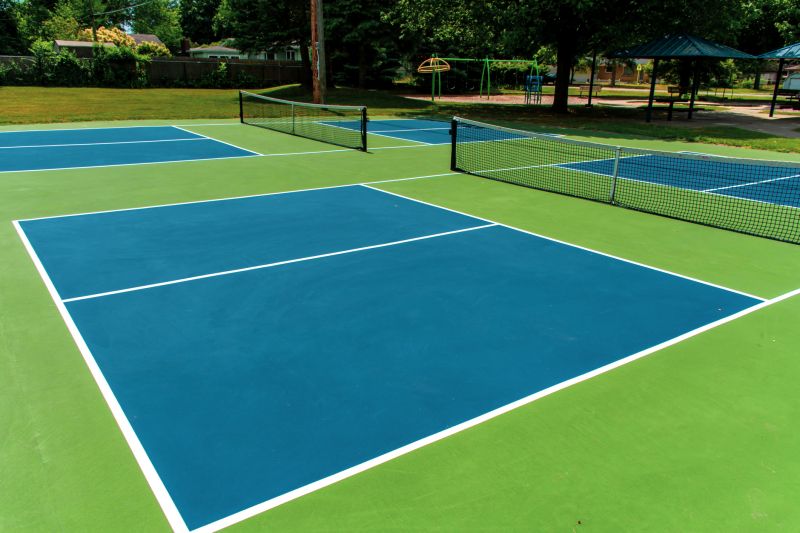
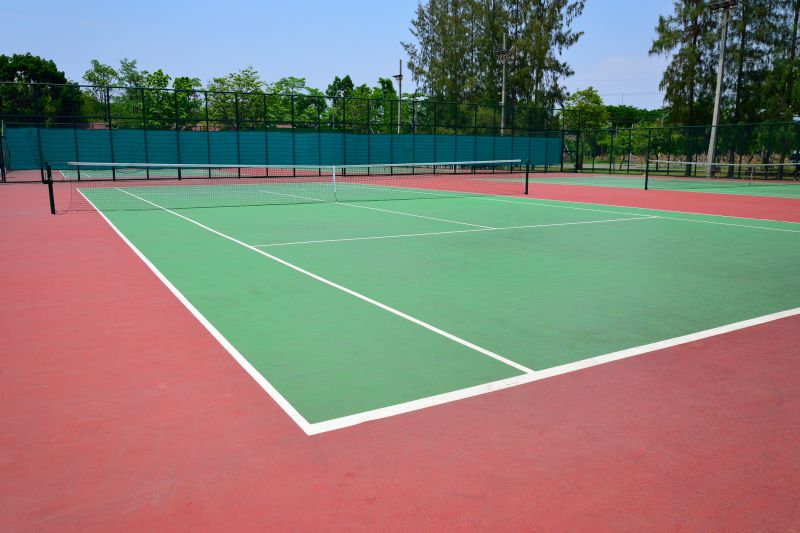
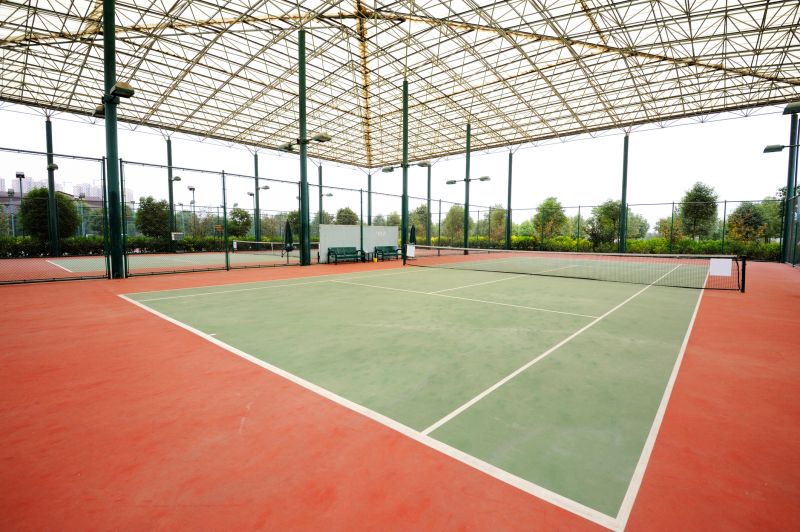
Understanding the signs that a pickleball court needs resurfacing is essential for maintaining a safe and playable environment. When players notice that the surface has become rough or uneven, it can indicate underlying issues with the court’s coating or foundation. Cracks, chips, or areas where the surface appears worn or faded can also be clear indicators that the court’s integrity is compromised. These problems can affect ball bounce and player traction, making it more difficult to enjoy the game and increasing the risk of injury. Recognizing these signs early allows property owners to connect with experienced local contractors who specialize in pickleball court resurfacing, ensuring timely repairs and a smooth, safe playing surface.
The types of problems that relate to signs your pickleball court needs resurfacing often stem from regular wear and tear, weather exposure, or improper maintenance. Over time, UV rays and moisture can degrade the surface material, leading to peeling or discoloration. Additionally, frequent use can cause the surface to develop cracks or become uneven, which can impair the quality of play. If the court surface feels sticky or excessively slick in certain areas, this may also point to deterioration of the coating. Property owners planning to update or restore their courts should consider consulting local service providers who can assess these issues and recommend appropriate resurfacing solutions that restore the court’s performance and appearance.
Resurfacing needs are commonly encountered on properties that feature dedicated pickleball courts, but they can also arise on multi-purpose sports courts or tennis courts that are used for pickleball. Residential backyard courts, community recreation centers, and sports club facilities often face these challenges as well. In particular, courts that are exposed to harsh weather conditions or have experienced heavy usage are more likely to show signs of aging sooner. Property owners who notice any surface irregularities, fading, or damage should consider the benefits of resurfacing to extend the life of their court and improve playability. Local contractors who specialize in pickleball and tennis court resurfacing can evaluate the specific needs of each property and recommend tailored solutions to keep courts in top condition.
Connecting with experienced local service providers is a practical step for property owners noticing signs that their pickleball court needs resurfacing. These professionals can perform a thorough assessment of the surface condition, identify underlying issues, and provide options for restoring the court’s surface. Whether it involves applying a new layer of coating, fixing cracks, or replacing worn-out materials, local contractors bring the expertise needed to ensure the court is safe and functional. For homeowners, understanding the common signs of deterioration and knowing when to seek expert help can prevent further damage and maintain the quality of their pickleball or tennis courts. This proactive approach helps preserve the value and usability of outdoor sports facilities for years to come.
Basketball court resurfacing - this project involves similar surface preparation and coating techniques used in pickleball court maintenance, making it relevant for those needing court repairs.
Tennis court resurfacing - professionals experienced in tennis court restoration often handle pickleball court resurfacing, sharing expertise in surface leveling and line repainting.
Playground surface installation - installing and repairing playground surfaces requires knowledge of durable surfacing materials and surface leveling, skills applicable to pickleball court resurfacing.
Sports court maintenance - general maintenance of various sports courts involves surface cleaning, crack repair, and coating, which are also essential for pickleball court upkeep.
Badminton court resurfacing - similar to pickleball courts, badminton courts require smooth, even surfaces and line marking, handled by local contractors with related skills.
Indoor sports flooring - installing or restoring indoor sports flooring involves surface preparation and coating techniques that are useful for pickleball court resurfacing projects.
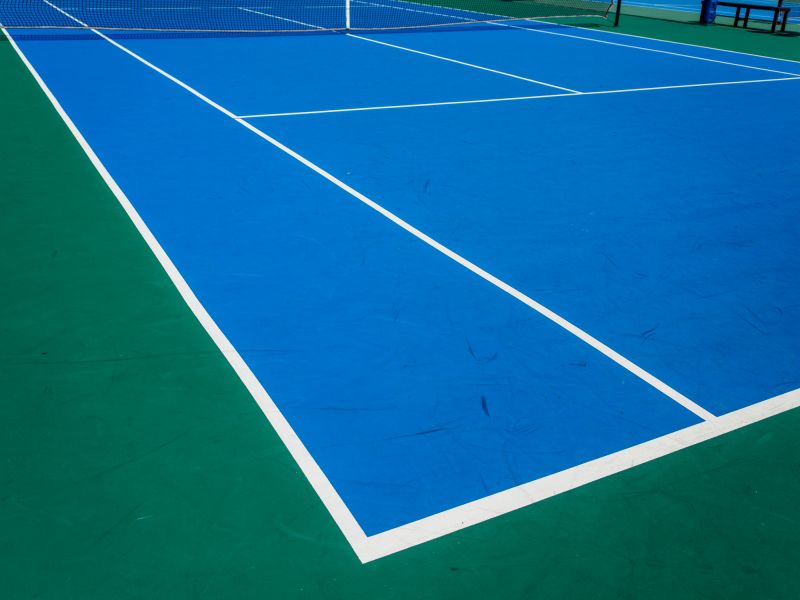
When evaluating service providers for pickleball or tennis court resurfacing, it’s important to consider their experience with similar projects. Homeowners should inquire about the types of courts the contractors have worked on in the past, paying attention to the complexity and scale of those jobs. An experienced contractor will understand the unique challenges associated with resurfacing pickleball courts, such as surface durability and appropriate materials, ensuring that the project meets the specific needs of the sport. Checking references or reviews can provide insight into the quality of work and reliability, helping homeowners gauge whether a contractor has a proven track record of successful resurfacing projects.
Clear, written expectations are essential when comparing local contractors for court resurfacing. Homeowners should seek detailed proposals that outline the scope of work, materials to be used, and the expected finish. This clarity helps prevent misunderstandings and ensures that both parties are aligned on the project’s goals. It’s beneficial to ask service providers to explain their process and the standards they follow, which can offer reassurance that the resurfacing will be performed properly. Well-documented expectations also make it easier to compare bids objectively and select a contractor who demonstrates professionalism and transparency.
Effective communication and reputable references are key factors when choosing a contractor for resurfacing services. A responsive and professional service provider will keep homeowners informed throughout the project, providing updates and addressing questions promptly. Additionally, obtaining references from previous clients allows homeowners to verify the contractor’s ability to deliver quality work and handle projects efficiently. Good communication fosters a smoother experience and helps ensure that the resurfacing process aligns with the homeowner’s expectations, ultimately contributing to a successful outcome for the court’s resurfacing needs.
Property owners often search for signs your pickleball court needs resurfacing when they are planning practical projects around their homes and businesses. Local pros provide Pickleball or Tennis Court Resurfacing services for everyday jobs and straightforward project options.
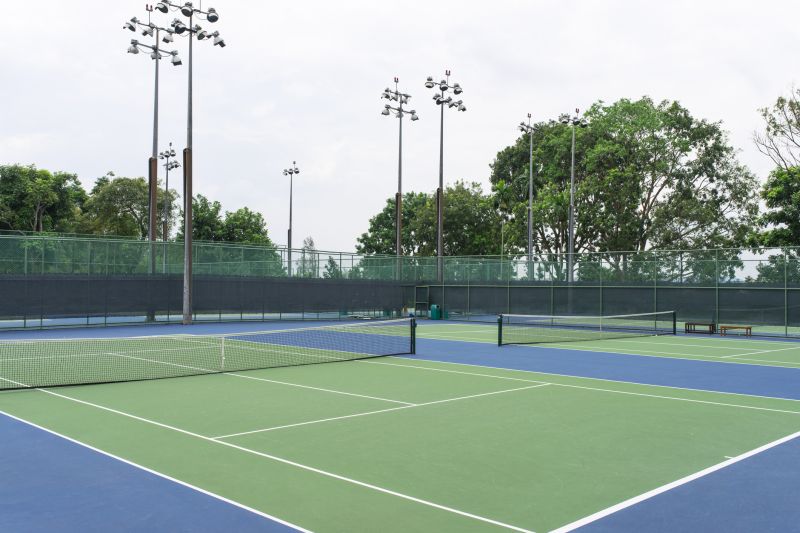
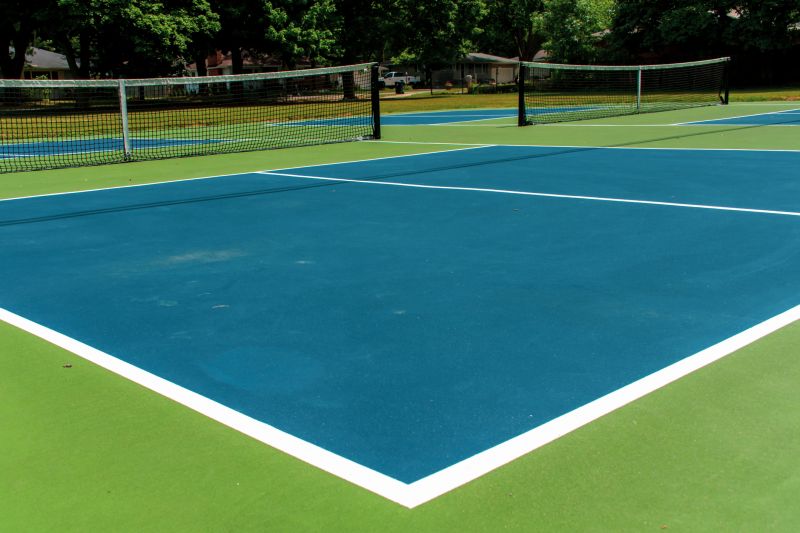
Signs your pickleball court needs resurfacing can often be spotted during regular use or routine inspections. Common indicators include the development of cracks, uneven playing surfaces, or areas where the surface coating has started to peel or fade. These issues can affect gameplay, making the court less safe and less enjoyable. Property owners noticing these signs might consider reaching out to local contractors who specialize in pickleball or tennis court resurfacing to restore the court's condition and ensure it remains a safe, high-quality space for play.
Other visual cues that suggest resurfacing is needed include the presence of excessive surface debris, persistent puddles, or a noticeable change in the court's grip and traction. These problems can be caused by weathering or general wear and tear over time. Connecting with experienced service providers can help evaluate the extent of the damage and determine whether resurfacing is the appropriate solution. Local contractors can assess the condition of the court and recommend the best approach to bring it back to optimal playing standards.
What are common signs that a pickleball court needs resurfacing? Visible cracks, uneven surfaces, and fading or peeling paint are typical indicators that a pickleball court requires resurfacing services from local contractors.
How can I tell if the court surface is deteriorating? If the surface feels rough or shows areas of peeling, blistering, or loose material, it suggests that resurfacing may be necessary to maintain proper play conditions.
Are discoloration or fading signs of a resurfacing need? Yes, significant fading or discoloration of the court surface can indicate that the coating has worn out and resurfacing could restore the court’s appearance and functionality.
What impact do cracks and surface damage have on gameplay? Cracks and surface damage can cause uneven ball bounce and pose safety hazards, which is why local service providers should evaluate the court for resurfacing options.
When should a court be resurfaced based on surface wear? When signs like persistent cracks, surface roughness, or peeling paint are evident, it’s a sign that a professional resurfacing from local contractors may be needed to restore the court’s quality.
Cracks and surface damage - Noticing cracks or pitting on the court surface can indicate the need for resurfacing services by local contractors to restore a smooth playing area.
Faded or uneven paint - Worn-out lines or faded colors suggest that fresh coating and repainting from local service providers may be necessary for optimal visibility.
Worn playing surface - Excessively worn or rough patches on the court surface can impact gameplay and may require resurfacing by local experts to ensure safety and performance.
Drainage issues or puddles - Persistent pooling or poor drainage can lead to surface deterioration, making resurfacing essential to maintain a playable and durable court.
If you are thinking about signs your pickleball court needs resurfacing for a property, this guide is meant to help you understand this topic, the typical project types, and how different options might fit your plans.
When you are ready, you can use the quote form on this page to share a few details about your project. From there, local pros can review the basics and follow up with options that match what you have in mind.