Differences Between Asphalt Courts for Tennis vs. Pickleball
People searching for asphalt installation for tennis and pickleball courts are typically seeking expert local contractors who can customize surfaces to suit each sport’s specific needs.
Understanding the differences between asphalt courts for tennis and pickleball is essential for property owners considering a new or upgraded outdoor court. While both sports can be played on asphalt surfaces, subtle variations in design, surface texture, and construction can significantly impact gameplay and maintenance. Property owners in the area who are exploring options for installing or renovating courts may find it helpful to learn how these differences influence factors like ball bounce, player safety, and surface longevity. Local contractors experienced in asphalt court installation can provide valuable insights tailored to specific needs, ensuring the chosen surface best supports the intended sport and usage.
Asphalt court types for tennis versus pickleball are often distinguished by surface finish, thickness, and color, all of which can affect performance and durability. For example, pickleball courts may benefit from a slightly different surface texture to accommodate rapid directional changes, while tennis courts might prioritize consistent ball bounce over a larger area. Property owners interested in these distinctions can benefit from consulting with local service providers who specialize in asphalt court construction and resurfacing. These professionals understand how to optimize each court type for the sport and environment, helping ensure the investment results in a functional, long-lasting playing surface.
Get Quotes for Tennis Court And Pickleball Court Asphalt Installation
- Tennis court asphalt installation services are needed when establishing a durable surface suited for high-impact play, with local contractors tailoring the asphalt mix and layering to meet sport-specific standards. Pickleball court asphalt installation is sought by those wanting a smooth, resilient surface optimized for quick ball bounce and player safety, with local service providers adjusting thickness and surface texture accordingly. Differences between asphalt courts for tennis vs. pickleball are addressed by local pros through precise surface grading and finishing techniques that accommodate the distinct movement and bounce requirements of each sport. Choosing the right asphalt for tennis courts involves considerations of hardness and shock absorption, which local contractors customize based on the intended sport and usage frequency. Pickleball court asphalt installation specialists focus on creating a surface that enhances quick directional changes, with local providers adapting the asphalt's composition to optimize gameplay for pickleball players.
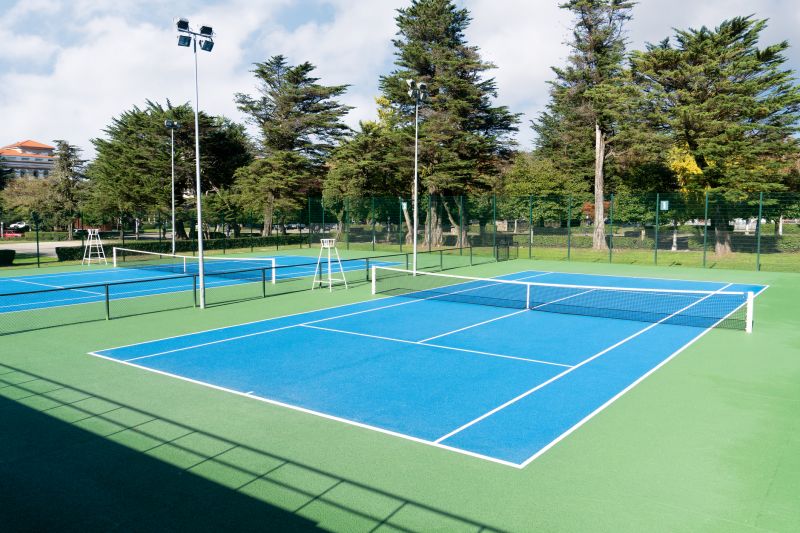
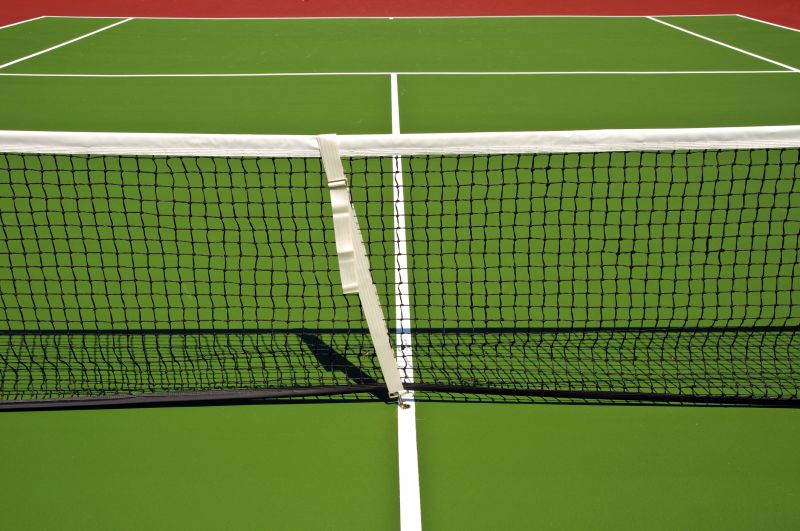
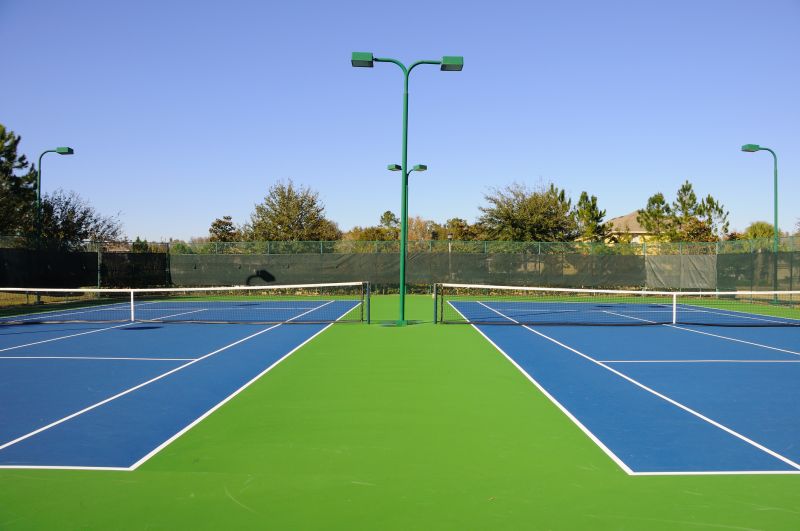
When exploring the differences between asphalt courts for tennis versus pickleball, many homeowners are seeking to understand how the surface characteristics impact gameplay, durability, and overall court performance. People often search for this topic when planning to install a new court or upgrade an existing one, aiming to choose the right surface for their preferred sport. They might be considering factors such as surface texture, bounce consistency, and how the asphalt can be tailored to meet the specific needs of tennis or pickleball. This understanding helps ensure that the court provides a safe, enjoyable experience for players and withstands regular use over time.
The differences between asphalt courts for tennis and pickleball are closely tied to the unique demands of each sport. Tennis courts typically require a smooth, slightly textured surface that allows for consistent ball bounce and player movement. Pickleball, on the other hand, benefits from a slightly softer, more forgiving surface that reduces joint impact, especially since the game involves quick, short movements and rapid changes in direction. Homeowners planning these projects often need to consider how the asphalt can be finished or textured differently to optimize playability. Local contractors experienced in asphalt court installation can help customize the surface to align with the specific characteristics needed for each sport, ensuring the court meets performance expectations.
Property types that commonly feature asphalt courts for tennis and pickleball tend to include residential yards, community parks, and recreational facilities. These properties often have ample outdoor space suitable for installing a dedicated court, whether for family use or community programming. The existing landscape, drainage considerations, and available space influence the design and construction process. Homeowners and property managers typically seek guidance from service providers who understand the technical differences in asphalt court surfaces, enabling them to select the right type of court for their property’s size and intended use. This ensures the installation aligns with both functional needs and property aesthetics.
Understanding the distinctions between asphalt courts for tennis and pickleball also helps homeowners connect with the right local service providers for the project. Whether installing a new court or resurfacing an existing one, local contractors can advise on the best asphalt mix, finishing techniques, and surface texture to suit the sport. They can also address practical considerations such as proper slope, drainage, and surface longevity. By working with experienced asphalt installation professionals, property owners can ensure their court is built to withstand regular play, meet the specific performance requirements of tennis or pickleball, and enhance the overall value and enjoyment of their outdoor space.
Sports court construction - local contractors skilled in building various sports surfaces can assist with the unique requirements of asphalt courts for tennis and pickleball, ensuring proper surface layering and drainage.
Outdoor recreational surface installation - professionals experienced in installing durable outdoor surfaces can help adapt asphalt for different sports, considering factors like surface smoothness and resilience.
Playground surfacing projects - similar skills are needed for installing asphalt surfaces in playgrounds, requiring attention to safety, smoothness, and long-term durability.
Basketball court installation - experts in creating flat, level asphalt surfaces for basketball courts share techniques applicable to tennis and pickleball court preparation and finishing.
Driveway and parking lot paving - paving specialists who lay asphalt for driveways and lots have expertise in preparing stable, even surfaces suitable for sports courts.
Pathway and walkway construction - local service providers experienced in asphalt pathways can adapt their skills for creating smooth, accessible routes around sports courts and recreational areas.
When evaluating service providers for asphalt installation of tennis and pickleball courts, it is important to consider their experience with similar projects. Local contractors who have completed multiple court installations for either sport can offer valuable insights into the specific requirements and challenges associated with each type. Understanding their background with comparable projects helps ensure they are familiar with the nuances of surface preparation, material selection, and finishing techniques that are essential for optimal playability and durability. A contractor’s portfolio or references demonstrating successful past work can provide confidence in their ability to handle the unique aspects of tennis versus pickleball court asphalt installation.
Clear, written expectations are crucial when comparing local service providers. A reputable contractor should be able to provide detailed descriptions of the scope of work, including surface grading, asphalt layering, and surface finishing tailored to the specific sport. This clarity helps prevent misunderstandings and ensures that both parties are aligned on project deliverables. When reviewing proposals or estimates, it’s beneficial to look for comprehensive documentation that outlines materials, workmanship standards, and maintenance considerations. Well-defined expectations contribute to a smoother installation process and a finished court that meets the functional needs of tennis or pickleball players.
Good communication and reputable references are key indicators of a dependable contractor. Service providers who are responsive and transparent during initial discussions tend to maintain that level of professionalism throughout the project. Asking for references or examples of recent work allows homeowners to verify the quality of previous installations and gather insights into the contractor’s reliability and customer satisfaction. Clear communication also ensures that any questions about differences between asphalt courts for tennis vs. pickleball are addressed promptly, fostering a collaborative approach that leads to a court surface optimized for the intended sport.
Get a Quote for Tennis Court And Pickleball Court Asphalt Installation
Property owners often search for differences between asphalt courts for tennis vs. pickleball when they are planning practical projects around their homes and businesses. Local pros provide Tennis Court and Pickleball Court Asphalt Installation services for everyday jobs and straightforward project options.
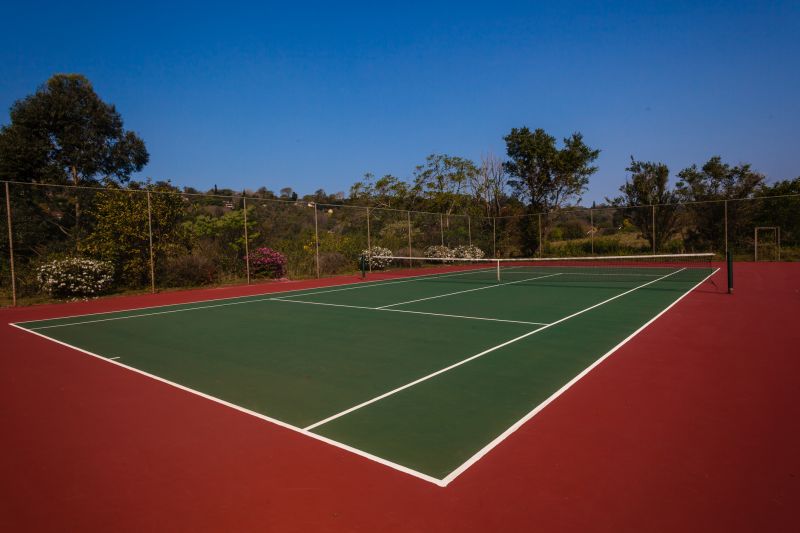
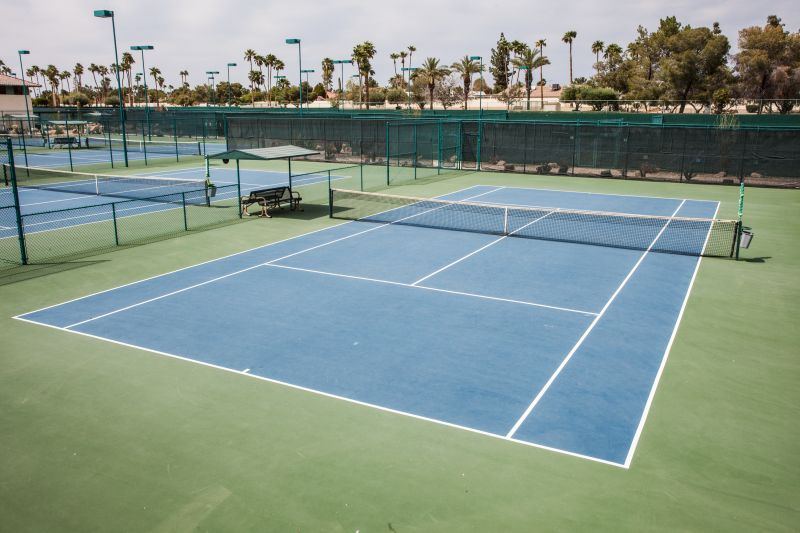
Understanding the differences between asphalt courts for tennis and pickleball can help property owners make informed decisions when planning new installations or upgrades. Tennis courts typically require a smoother, more durable surface with a consistent playing area to support fast-paced gameplay and larger court dimensions. In contrast, pickleball courts often benefit from slightly different surface considerations, such as a surface that offers good traction and a bit more cushioning to accommodate the smaller court size and the quick, multi-directional movements of players. Local contractors experienced in asphalt court installation can advise on the specific surface qualities needed for each sport, ensuring the finished court meets the unique demands of tennis or pickleball.
Property owners interested in installing or resurfacing courts might look into how asphalt choices impact gameplay and maintenance. For example, tennis courts often need a high-quality, even asphalt base to prevent uneven bounces, while pickleball courts may prioritize a surface that reduces impact and provides better grip for quick stops. Local service providers understand these nuances and can help select the right asphalt mix, thickness, and surface treatment to optimize the court for the intended sport. Connecting with experienced asphalt contractors ensures that the court will be built to match the specific requirements of tennis or pickleball, supporting safe and enjoyable play for years to come.
Get a Quote for Tennis Court And Pickleball Court Asphalt Installation
How do the surface requirements differ between asphalt courts for tennis and pickleball? Asphalt courts for tennis typically require a smoother, more durable surface to accommodate high-speed play and larger courts, while pickleball courts may have slightly different surface texture needs to support smaller, slower-paced games. Local contractors can customize asphalt installation to meet these specific surface preferences for each sport.
Are there differences in court size and layout that affect asphalt installation? Yes, tennis courts are larger and have specific court markings, whereas pickleball courts are smaller with different boundary lines. Service providers can design asphalt surfaces that are tailored to the dimensions and layout of each sport’s court specifications.
What variations in asphalt surface texture are there for tennis versus pickleball courts? Tennis courts often require a smoother asphalt surface to facilitate fast ball bounce and player movement, while pickleball courts might incorporate a slightly textured surface to improve grip and ball control during play. Local asphalt installers can adjust surface texture to suit each sport’s needs.
How do the playing surface durability needs differ for asphalt courts for tennis and pickleball? Tennis courts demand high durability to withstand frequent, intense use and weather exposure, whereas pickleball courts may prioritize surface resilience for lighter, less aggressive play. Service providers can select appropriate asphalt mixes and finishes to meet these durability requirements.
Can asphalt installation adapt to the specific color and line marking requirements for tennis vs. pickleball courts? Yes, asphalt courts can be colored and marked with sport-specific lines, with local contractors providing tailored surface coloring and line installation to meet the distinct standards for tennis and pickleball courts.
Surface Durability - Understanding the differences in how asphalt courts withstand regular play can help property owners choose the right type for their needs, with local contractors offering guidance on material selection.
Surface Texture & Grip - Recognizing how surface texture impacts player safety and performance allows property owners to work with service providers to ensure optimal traction for tennis or pickleball courts.
Court Maintenance & Longevity - Knowing how different asphalt compositions affect maintenance routines can help property owners plan for long-term upkeep with local pros experienced in court preservation.
Design & Layout Considerations - Considering the specific dimensions and markings needed for tennis versus pickleball can assist property owners in planning court layouts with the help of local contractors.
If you are thinking about differences between asphalt courts for tennis vs. pickleball for a property, this guide is meant to help you understand this topic, the typical project types, and how different options might fit your plans.
When you are ready, you can use the quote form on this page to share a few details about your project. From there, local pros can review the basics and follow up with options that match what you have in mind.
Get a Quote for Tennis Court And Pickleball Court Asphalt Installation